Is Brazilian Jiu-Jitsu Effective for Real-Life Self-Defence?
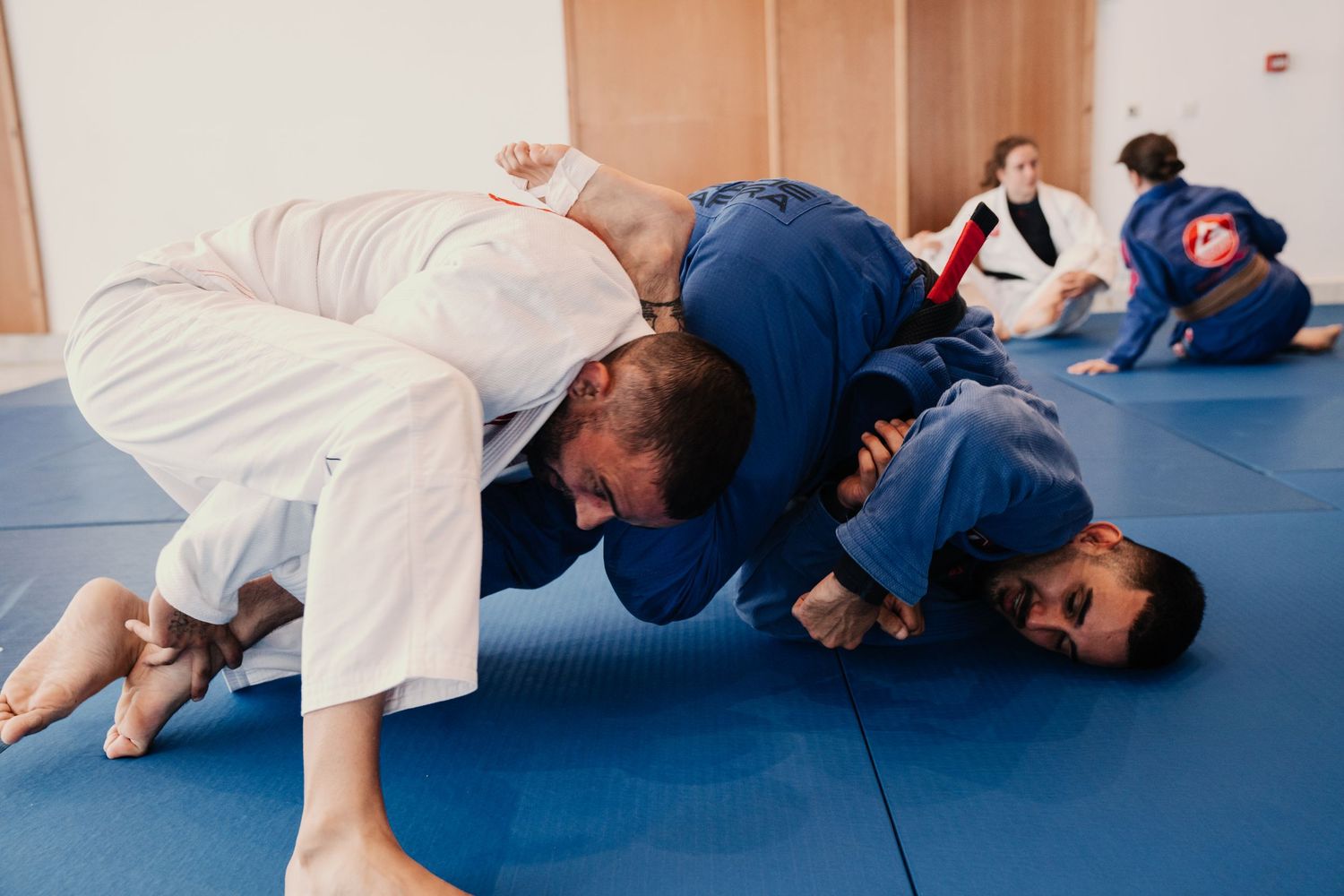
One of the most common questions people ask before starting martial arts is: does Brazilian Jiu-Jitsu (BJJ) actually work in a real-life confrontation?
The short answer is yes, but there are some important nuances to consider.
Brazilian Jiu-Jitsu was developed to enable a smaller or less physically powerful person to control and overcome a larger opponent through leverage, technique and body positioning. For that reason, many of its principles are highly effective in self-defence situations.
That said, like any martial art, there are significant differences between a sporting competition and a real-life assault. Understanding those differences is essential when assessing how effective BJJ can be for personal protection.
The Difference Between Competition and Self-Defence
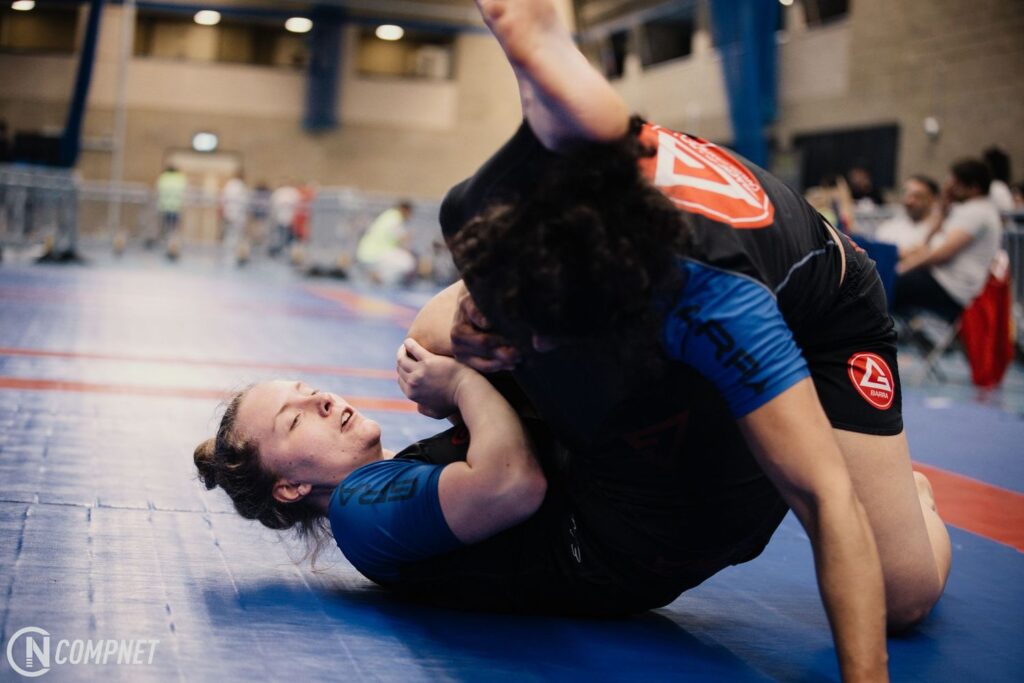
Modern Brazilian Jiu-Jitsu has a strong sporting component. Competitions take place under a specific set of rules, with weight divisions, referees and a controlled environment.
Real-life confrontations are very different.
In Competition:
- There are rules that prohibit certain actions.
- A referee supervises the match.
- The contest ends when someone submits or the referee intervenes.
- There are no weapons or third parties involved.
In a Real-Life Situation:
- An attacker may strike, push or attempt to cause serious harm.
- There are no rules or restrictions.
- Multiple aggressors may be involved.
- Weapons or dangerous objects could be present.
- The primary objective is to create an opportunity to escape and reach safety.
For this reason, many Gracie Barra schools continue to teach the self-defence principles that formed the foundation of Brazilian Jiu-Jitsu, complementing sport-specific training with practical real-world applications.
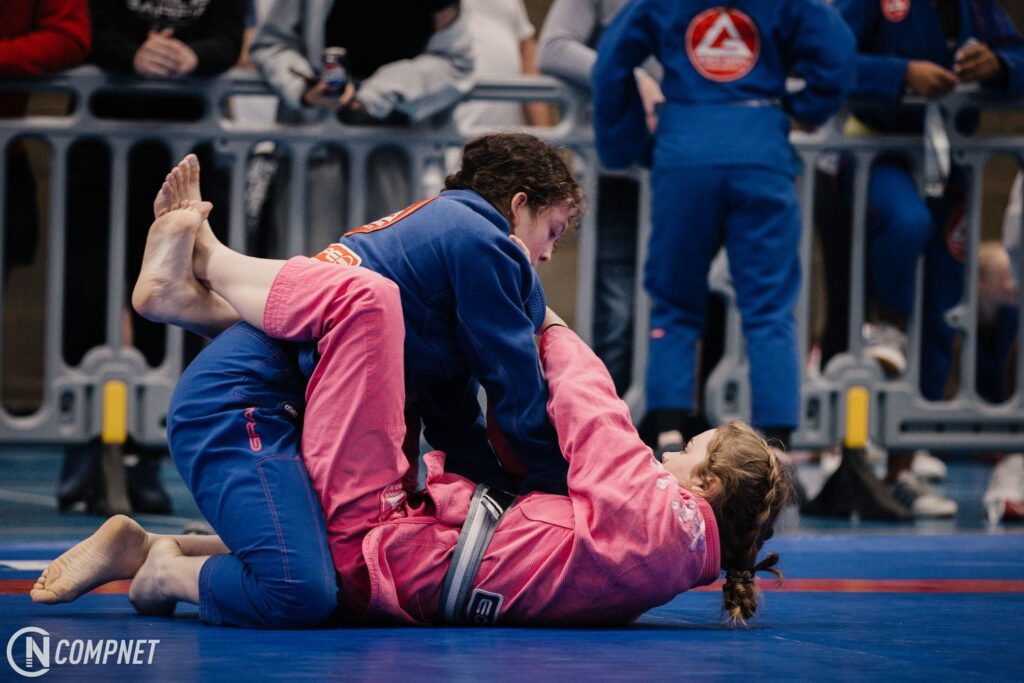
Which BJJ Techniques Are Most Useful for Self-Defence?
Not every technique has the same value outside the academy. Some aspects of BJJ are particularly effective in real-world situations.
Distance Management
One of the most important elements of any confrontation is controlling distance.
BJJ teaches practitioners how to:
- Prevent an aggressor from establishing a dominant position.
- Reduce the effectiveness of strikes.
- Create opportunities to disengage and escape.
Takedowns and Off-Balancing
Many physical altercations end up on the ground, whether intentionally or accidentally.
Knowing how to disrupt an opponent's balance and control the transition to the ground can provide a significant advantage.
Positional Control
Positions such as mount, side control and back control allow a practitioner to immobilise an aggressor while minimising risk.
This can be particularly valuable when the goal is not to injure someone, but simply to stop an attack until help arrives or an escape route becomes available.
Chokes and Submissions
Submission techniques can be extremely effective when applied correctly.
However, in a self-defence context, they should be viewed as a last resort. The primary objective should always be to neutralise the threat and remove yourself from danger as quickly as possible.
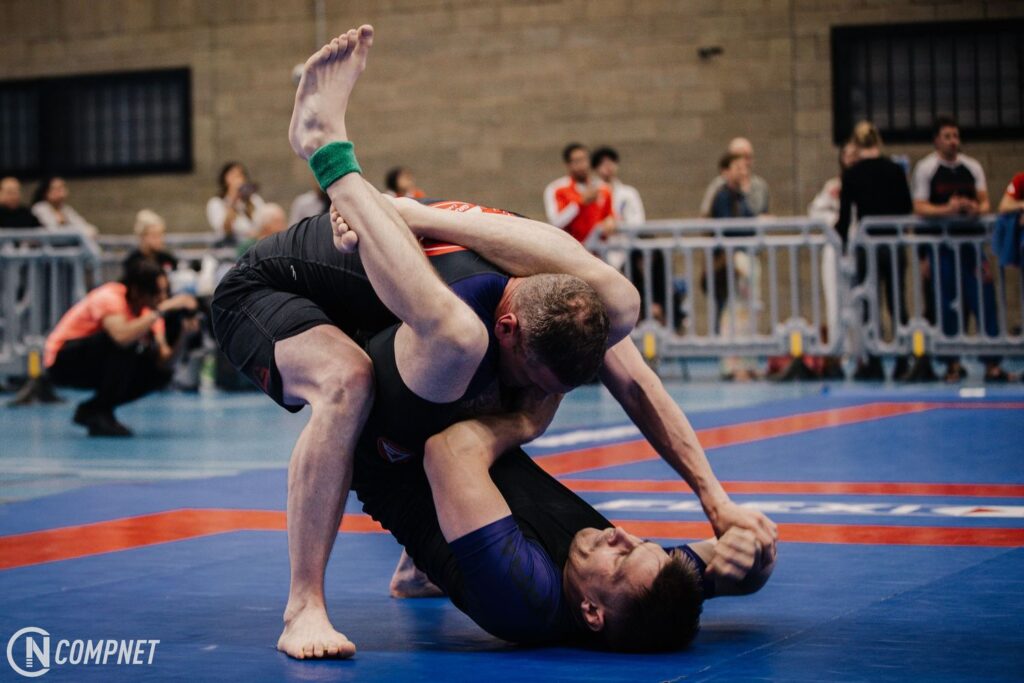
What Are the Limitations of BJJ in a Street Fight?
Claiming that Brazilian Jiu-Jitsu is effective does not mean it is without limitations.
Like any martial art, it has strengths and weaknesses that should be understood.
Multiple Attackers
One of the most challenging scenarios for any combat system is dealing with more than one aggressor.
BJJ excels in one-on-one encounters, but remaining on the ground while additional attackers are present can significantly increase the level of risk.
This is why experienced practitioners prioritise mobility and situational awareness whenever possible.
Weapons
The presence of knives, bottles, blunt objects or other weapons dramatically changes the dynamics of any confrontation.
While some self-defence programmes address weapon-related scenarios, no martial art can guarantee a safe outcome against an armed attacker.
Whenever possible, avoidance, distance management and escape remain the safest options.
Unpredictable Environments
Pavements, kerbs, stairs, vehicles and uneven surfaces introduce variables that do not exist in a training environment.
Effective self-defence requires not only technical skill but also an understanding of the realities of the environment in which a confrontation takes place.
Real-Life Examples of BJJ Helping to Stop Aggression
One of the strongest arguments in favour of Brazilian Jiu-Jitsu is the number of documented cases where practitioners have successfully used their training to protect themselves or others.
Over the years, media reports from around the world have highlighted incidents in which students, instructors and security professionals with BJJ training have been able to:
- Control violent individuals without causing serious injury.
- Stop attempted robberies.
- Restrain aggressive attackers until authorities arrived.
- Defend themselves against larger and stronger opponents.
These examples reflect one of the core principles of Brazilian Jiu-Jitsu: using technique and control to manage a threat while minimising unnecessary harm.
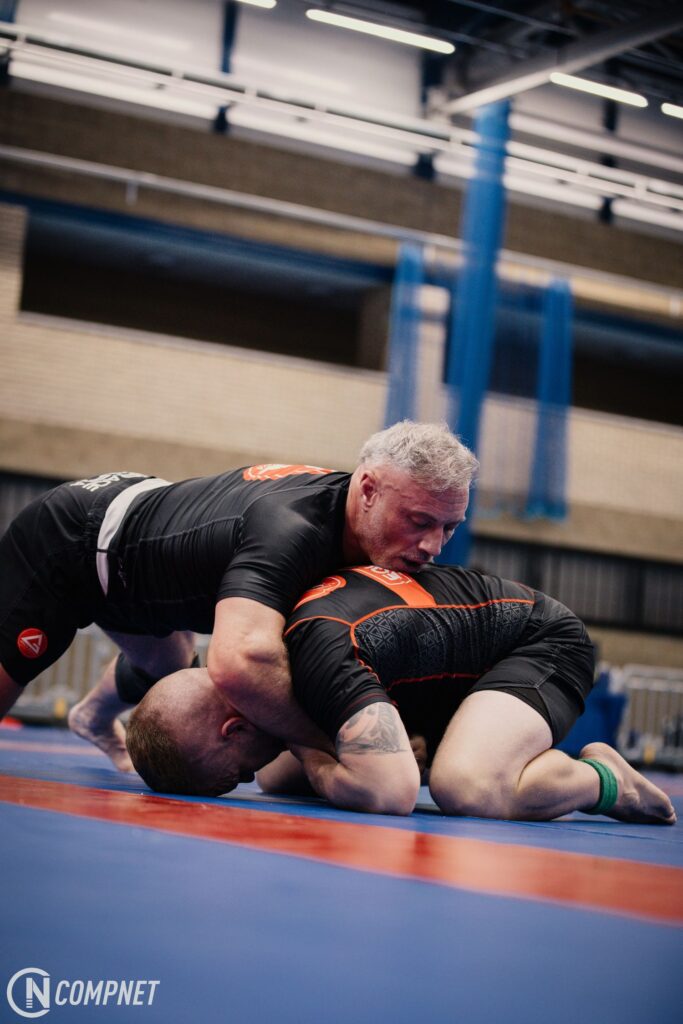
Is BJJ the Best Martial Art for Self-Defence?
The answer depends on the situation.
There is no single martial art that offers the perfect solution to every possible threat. However, Brazilian Jiu-Jitsu provides several advantages that make it particularly effective for self-defence:
- It enables smaller individuals to control larger opponents.
- It develops composure under pressure.
- It teaches effective close-range fighting skills.
- It improves decision-making in stressful situations.
- It provides methods of neutralising aggression without relying solely on striking.
For these reasons, many martial arts experts consider BJJ to be one of the most effective systems for modern self-defence.
Final Thoughts
If you're asking, "Does Brazilian Jiu-Jitsu work in a real fight?", both practical experience and countless real-world examples suggest that it does.
Brazilian Jiu-Jitsu provides valuable skills for controlling, neutralising and escaping physical confrontations. It is not a magic solution, nor does it replace awareness, prevention or good judgement. However, when trained consistently and under a structured methodology, it can be an exceptionally effective tool for personal protection.
At Gracie Barra, students develop not only technical proficiency but also confidence, discipline and self-control, qualities that can make a meaningful difference both on and off the mats.
Still wondering whether Brazilian Jiu-Jitsu is right for you? The best way to find out is to try it for yourself. Visit your nearest Gracie Barra school, join a trial class, and experience BJJ firsthand. We look forward to welcoming you on the mats.